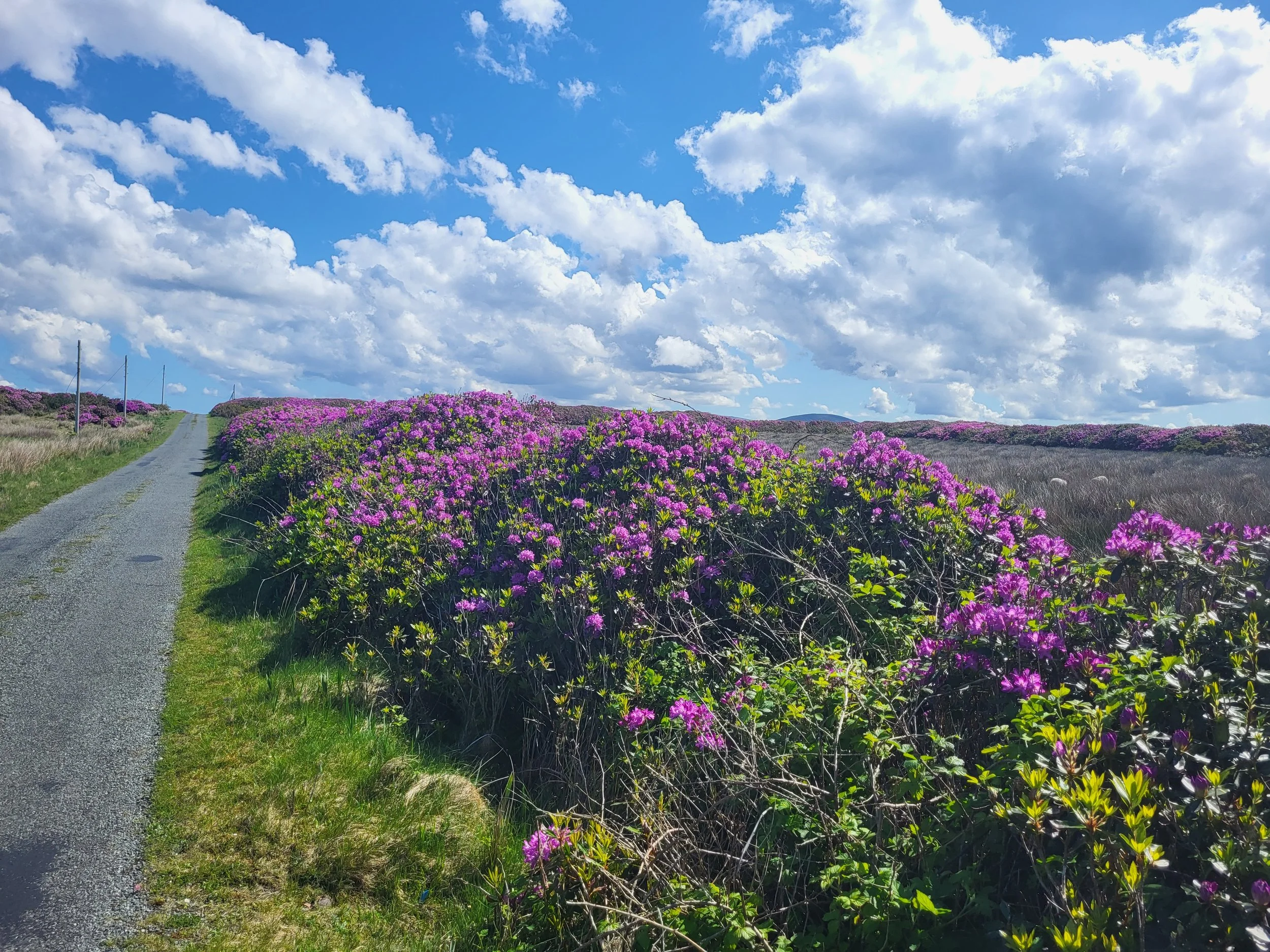
Landscape Actions (LAs) are large scale actions that are available to participants in the Co-operation approach of the Agri-Climate Rural Environment Scheme (ACRES). The LAs are targeted measures that will focus on issues such as invasive species management, encroaching scrub, threatened species and water quality protection, thereby offering benefits to the local environment.Landscape Actions
Due to their scale and complexity, Landscape Actions require careful planning, time, and specialist input. The ACRES West Connacht team will work closely with farmers to design and submit tailored plans, ensuring they align with both environmental objectives and sustainable farm management practices.
All farmers wishing to be considered for landscape actions must submit an expression of interest in writing.
Landscape Action Specifications
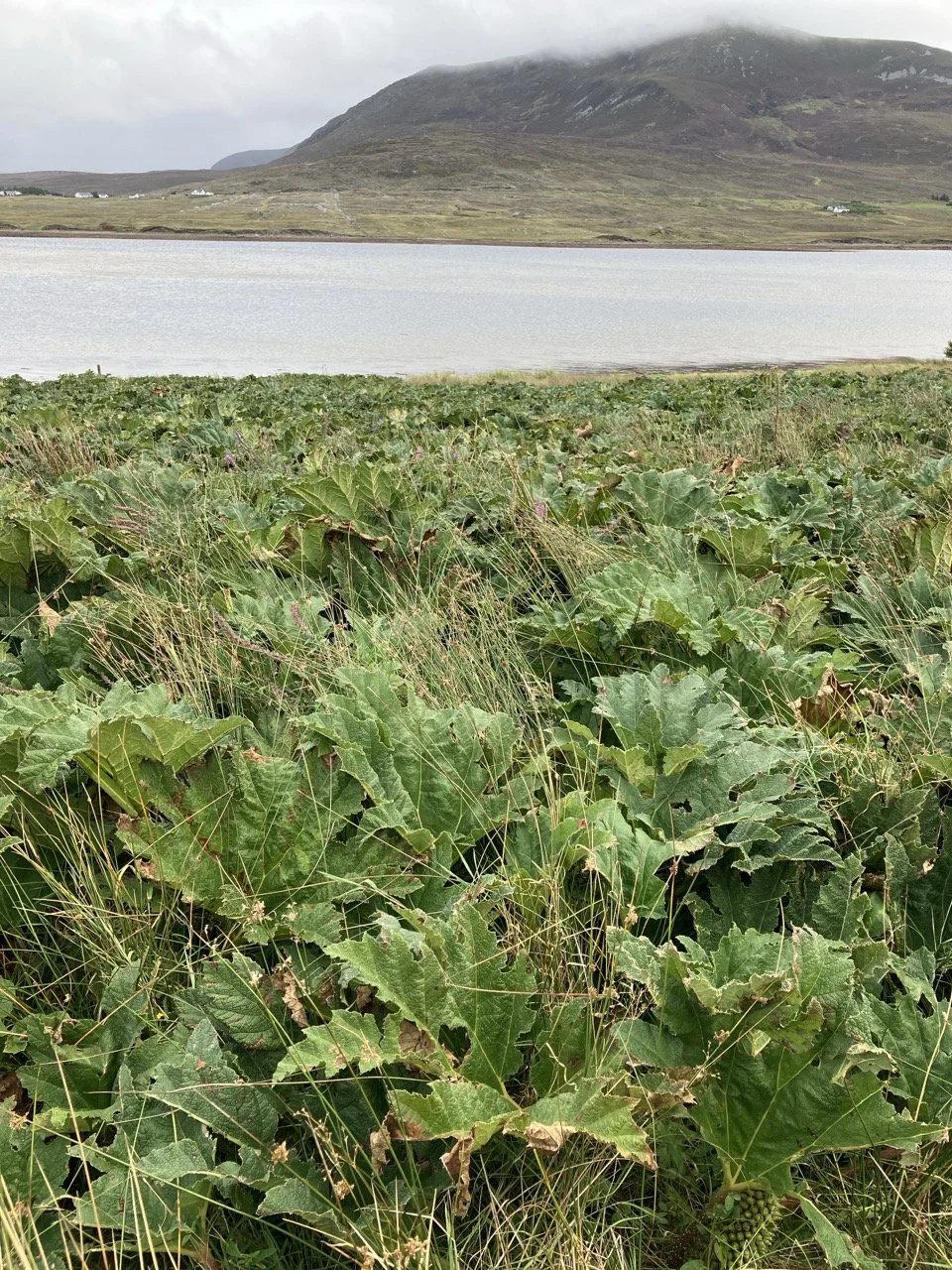
Invasive Species
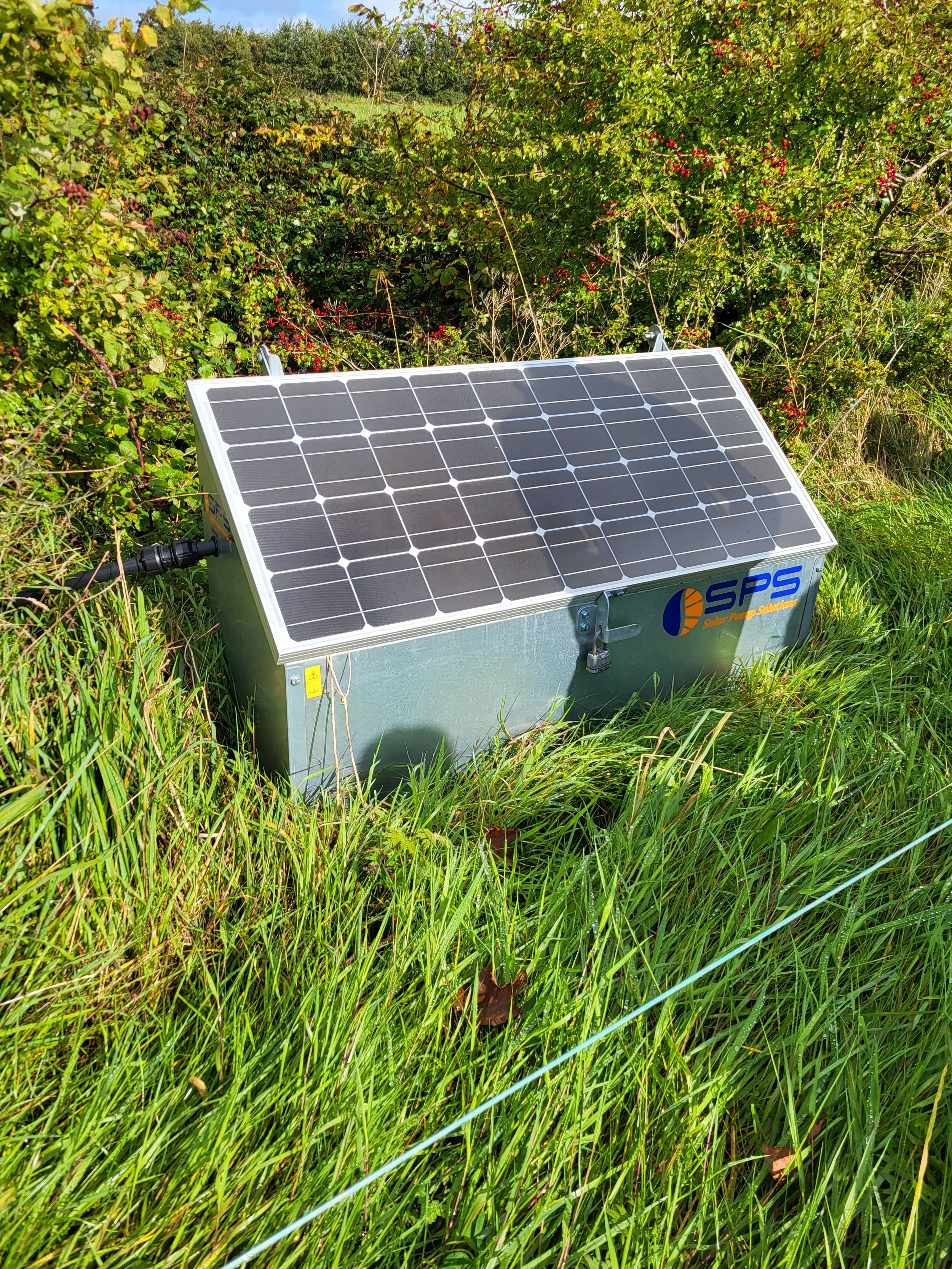
Habitat & Wildlife Support
Hydromorphology
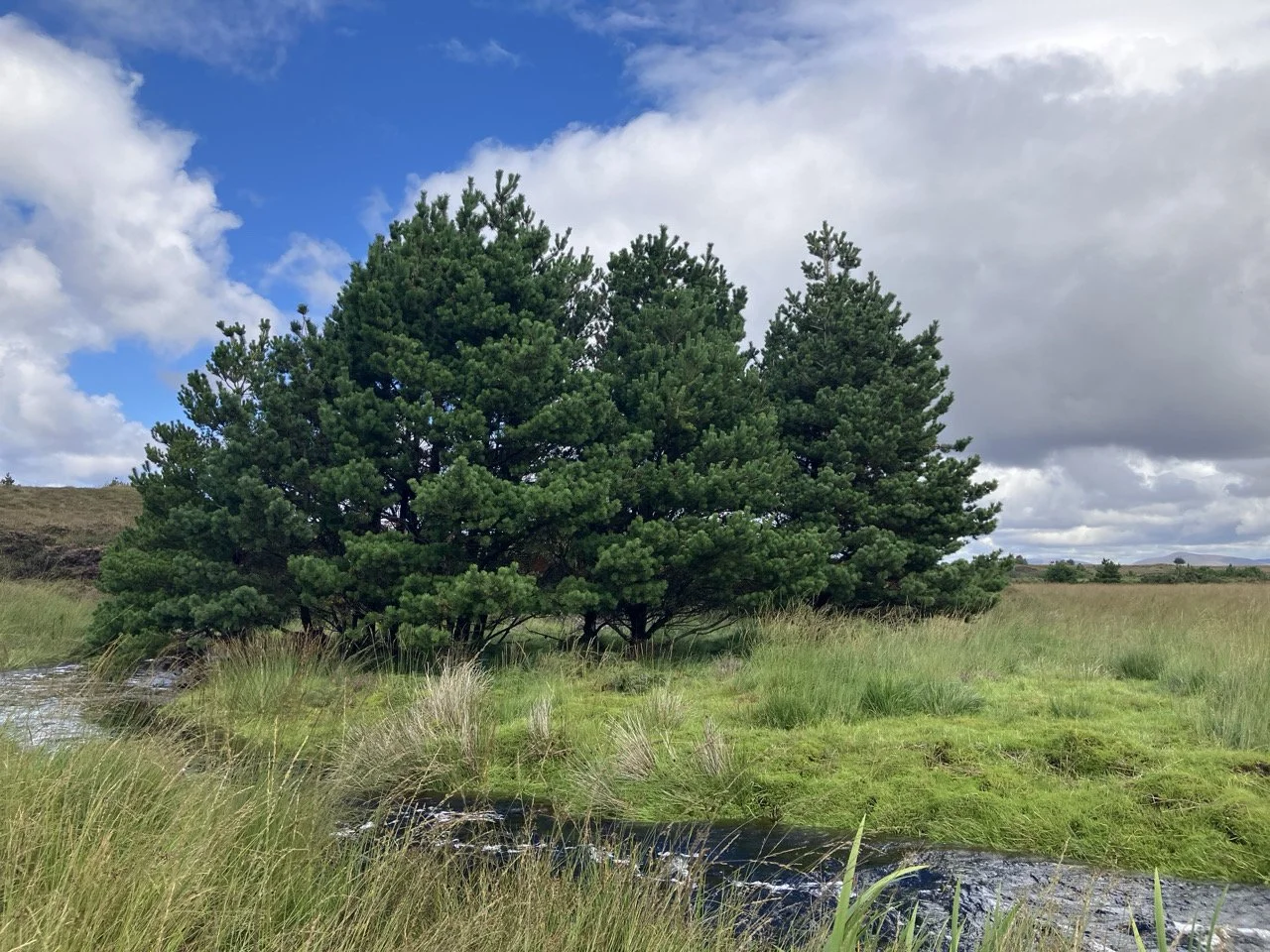
Scrub & Track
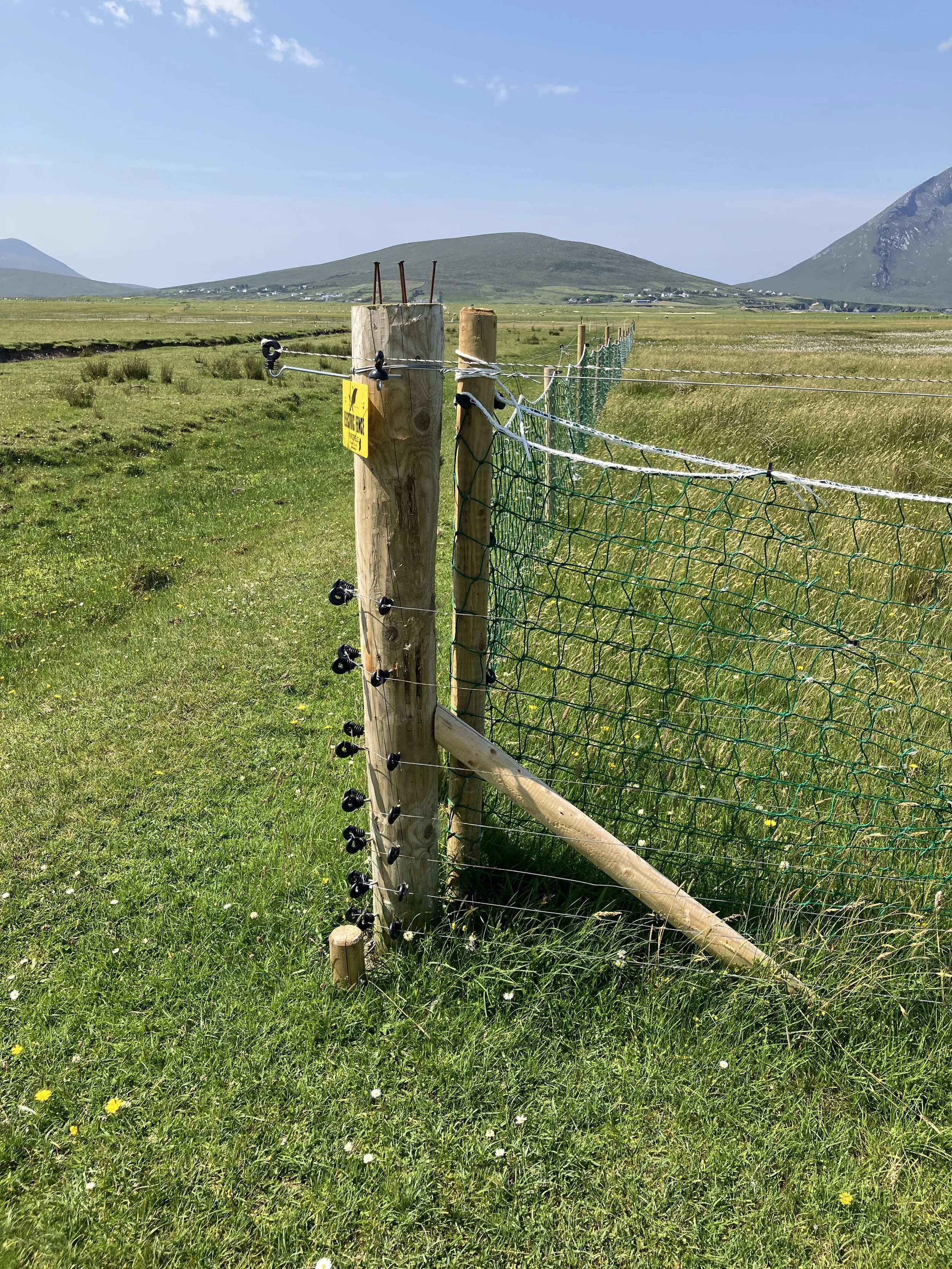
Farm Infrastructure
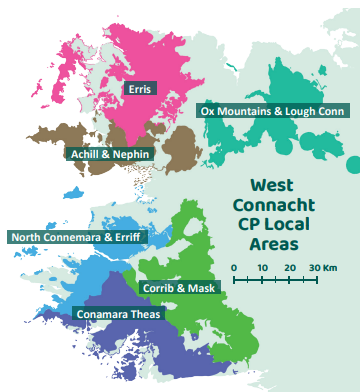
Our map highlights the key priority landscape actions in each of the local areas.
Select your local area on the map and a pop-up will appear listing the actions for your local area by priority.
Landscape Actions in your Area
-
Higher Priority LAs
Breeding Wader Delayed Mowing
Corncrake Early and Late Cover Crop
Corncrake Early and Late Cover Natural
Corncrake Delayed Mowing/Grazing
Rural Restorative Lighting
Removal of Waste from Commonage Sites
Wildlife Friendly Mowing
Training Invasive/Scrub
Rhododendron/Cherry Laurel Severe
Rhododendron/Cherry Laurel High
Rhododendron/Cherry Laurel Med
Rhododendron/Cherry Laurel Scattered
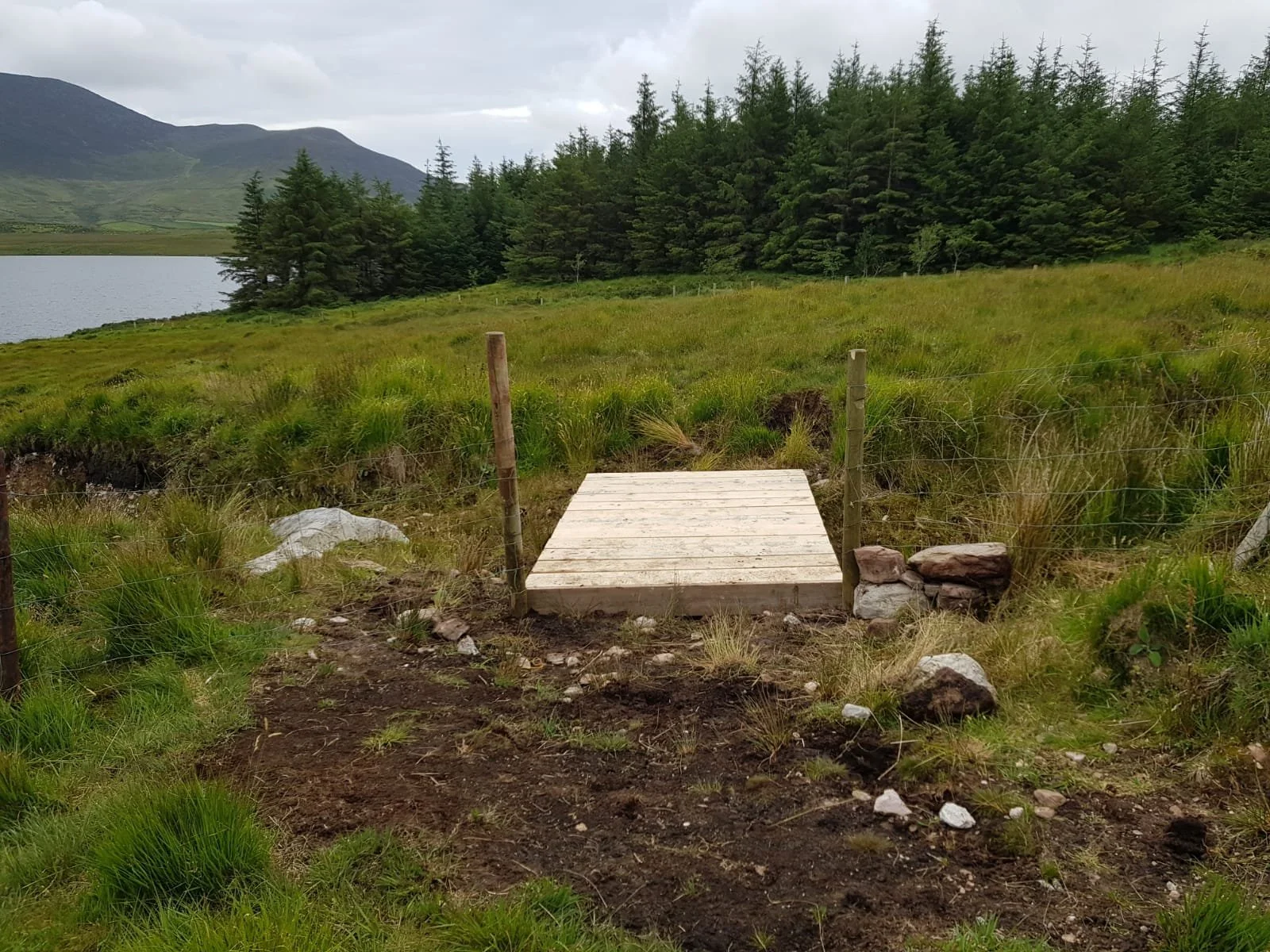
Livestock Crossing Point
Medium Priority LAs
Virtual Fencing
Traditional Dry Stone Wall full rebuild
Gunnera Management
Japanese Knotweed Stem Injection
Japanese Knotweed Spray
Training Hydromorphology
Lower Priority LAs
Decommissioning of Old Sheep Dipping Stations
-
Higher Priority LAs
Removal of Waste from Commonage Sites
Wildlife Friendly Mowing
Training Invasive/Scrub
Rhododendron/Cherry Laurel Severe
Rhododendron/Cherry Laurel High
Rhododendron/Cherry Laurel Med
Rhododendron/Cherry Laurel Scattered
Livestock Crossing Point
Medium Priority LAs
Breeding Wader Delayed Mowing
Virtual Fencing
Traditional Dry Stone Wall full rebuild
Japanese Knotweed Stem Injection
Japanese Knotweed Spray
Training Hydromorphology
Lower Priority LAs
Decommissioning of Old Sheep Dipping Stations
Rural Restorative Lighting
Gunnera Management
-
Higher Priority LAs
Rural Restorative Lighting
Removal of Waste from Commonage Sites
Wildlife Friendly Mowing
Training Invasive/Scrub
Gunnera Management
Rhododendron/Cherry Laurel Severe
Rhododendron/Cherry Laurel High
Rhododendron/Cherry Laurel Med
Rhododendron/Cherry Laurel Scattered
Livestock Crossing Point
Medium Priority LAs
Virtual Fencing
Traditional Dry Stone Wall full rebuild
Japanese Knotweed Stem Injection
Japanese Knotweed Spray
Training Hydromorphology
Lower Priority LAs
Breeding Wader Delayed Mowing
Decommissioning of Old Sheep Dipping Stations
-
Higher Priority LAs
Breeding Wader Delayed Mowing
Corncrake Early and Late Cover Crop
Corncrake Early and Late Cover Natural
Removal of Waste from Commonage Sites
Wildlife Friendly Mowing
Training Invasive/Scrub
Gunnera Management
Rhododendron/Cherry Laurel Severe
Rhododendron/Cherry Laurel High
Rhododendron/Cherry Laurel Med
Rhododendron/Cherry Laurel Scattered
Livestock Crossing Point
Medium Priority LAs
Virtual Fencing
Traditional Dry Stone Wall full rebuild
Japanese Knotweed Stem Injection
Japanese Knotweed Spray
Training Hydromorphology
Lower Priority LAs
Decommissioning of Old Sheep Dipping Stations
Rural Restorative Lighting
-
Higher Priority LAs
Breeding Wader Delayed Mowing
Construction of Lesser Horseshoe Bat Roosts
Rural Restorative Lighting
Removal of Waste from Commonage Sites
Wildlife Friendly Mowing
Training Invasive/Scrub
Japanese Knotweed Stem Injection
Japanese Knotweed Spray
Rhododendron/Cherry Laurel Severe
Rhododendron/Cherry Laurel High
Rhododendron/Cherry Laurel Med
Rhododendron/Cherry Laurel Scattered
Livestock Crossing Point
Area Scrub Removal Hand Tools (High/Med/Low)
Medium Priority LAs
Virtual Fencing
Traditional Dry Stone Wall full rebuild
Training Hydromorphology
Lower Priority LAs
Decommissioning of Old Sheep Dipping Stations
Gunnera Management
-
Higher Priority LAs
Removal of Waste from Commonage Sites
Wildlife Friendly Mowing
Training Invasive/Scrub
Gunnera Management
Rhododendron/Cherry Laurel Severe
Rhododendron/Cherry Laurel High
Rhododendron/Cherry Laurel Med
Rhododendron/Cherry Laurel Scattered
Livestock Crossing Point
Medium Priority LAs
Virtual Fencing
Traditional Dry Stone Wall full rebuild
Japanese Knotweed Stem Injection
Japanese Knotweed Spray
Training Hydromorphology
Lower Priority LAs
Breeding Wader Delayed Mowing
Decommissioning of Old Sheep Dipping Stations
Rural Restorative Lighting
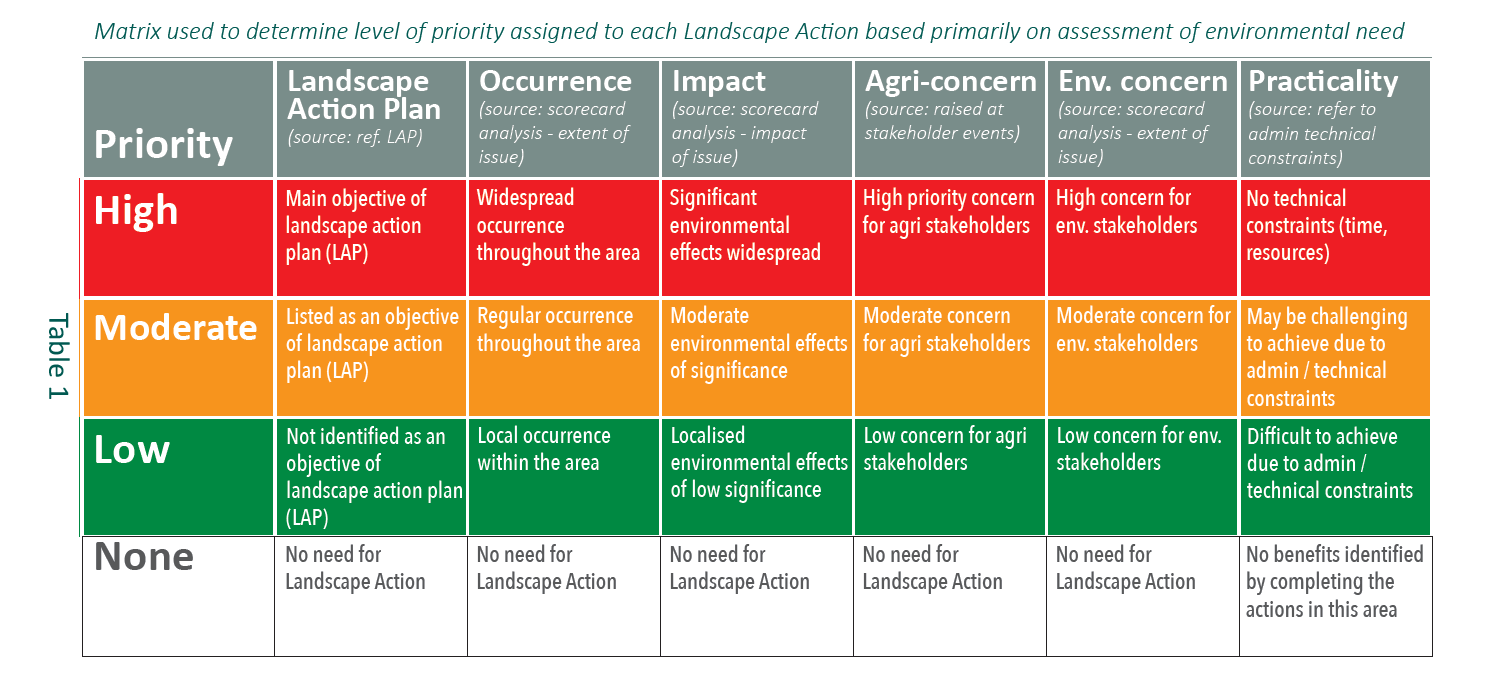
Determining Level of Priority
ACRES West Connacht have undertaken an objective environmental needs assessment of all 73 Landscape Actions across each of our six local areas in order to prioritise landscape actions for 2025. The aim is to have a robust, objective prioritisation approach to landscape actions in each local area.
The outcome of the analysis will assign high, moderate, or low priority for each landscape action relevant to: the whole WCCP project area, the CP zones, and the local areas.
This will help guide the team’s approach to landscape actions by informing the following:
(a) our communication strategy
(b) our promotion of LAs in each area
(c) targeting of actions and decision making by project team
The assessment was undertaken using a matrix to assign each LA into one of four priority categories (‘high’, ‘moderate’, ‘low’, or ‘none’) across six different criteria as summarised in the table below.
It is intended that the assessment of environmental need will be the main decision making tool for informing the team which landscape actions shouldbe prioritised during the remainder of the programme. The matrix will be reviewed and updated after each application window.